
Thirassia Island
Thirassia Island in Greece Tours
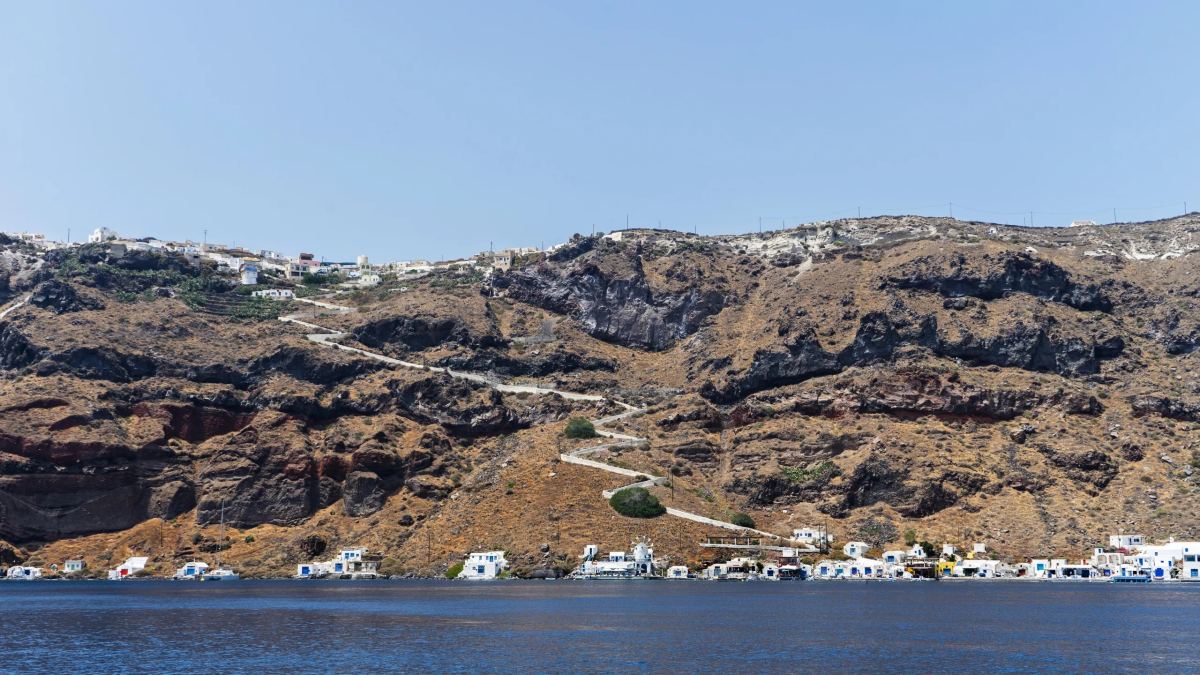
Thirassia Island is a small, peaceful island situated within the Santorini caldera, just west of Santorini. Once part of the same landmass as Santorini, Thirassia was separated following the major volcanic eruption that shaped the present-day caldera.
The island is known for its traditional Cycladic character, rugged volcanic landscape and tranquil atmosphere. Visitors can explore picturesque settlements, narrow paths, traditional houses and scenic viewpoints overlooking the caldera and Santorini.
A visit to Thirassia provides a quieter alternative to the more developed parts of Santorini and offers an opportunity to experience the region’s volcanic heritage, traditional island life and spectacular Aegean scenery.
What is included & excluded
- Access to Thirassia is generally by boat or organised excursion.
- Visitors should follow the instructions of the boat operator or tour guide.
- Boat services are subject to weather, sea conditions and operational schedules.
- Visitors should take care on uneven paths, steps and rocky terrain.
- Respect local residents, private properties, churches and cultural sites.
- Appropriate behaviour and dress are recommended when visiting religious sites.
- Visitors should avoid damaging the natural environment or removing rocks and other materials.
- Children should remain under adult supervision.
- Facilities and opening hours of individual restaurants, churches and attractions may vary.
Cancellation policy
Terms & conditions
- There is no general admission ticket for Thirassia Island itself; it is an inhabited island rather than a separately ticketed attraction.
- Access to the island by boat is subject to the boat operator's schedule, weather, sea conditions and operational requirements.
- Visitors must follow the instructions of the boat crew, tour guide and local authorities during the journey and while disembarking.
- Boat services or excursions may be delayed, modified or cancelled because of adverse weather, rough seas, safety considerations or other unforeseen circumstances.
- Visitors should use designated routes, roads and public areas and take care on the island's steep or uneven terrain.
- Access to individual villages, churches, private properties and other facilities may be restricted or subject to local arrangements.
- Visitors should respect local residents, religious sites, archaeological remains and the natural environment.
- Littering or removal/damage of natural, historical or cultural features is not permitted.
- Visitors should take appropriate precautions against sun, heat and uneven terrain, particularly when walking between the port and higher villages.
- Children should remain under the supervision of an accompanying adult.
- Any cancellation, refund or rescheduling conditions for the boat excursion are determined by the specific cruise/boat operator and the ticket purchased.
- The Municipality of Thira's website terms are primarily website-use terms, governed by Greek law; they should not be treated as a separate admission-ticket policy for Thirassia.
Frequently Asked Questions (FAQs)
01Do Indians need a visa for Greece?
02What is the best time to visit Greece?
03How many days are enough for a Greece tour?
04Is Indian vegetarian food available in Greece?
05What currency is used in Greece?
06Is Greece expensive for Indian travellers?
07What is the time difference between India and Greece?
08What are the best cities to visit in Greece?
09What should Indian travellers pack?
10Is Greece suitable for Indian families?
Things to do in Greece
16 experiences · book the good bits before you land
 Santorini Coastal Cruise
Greece
Santorini Coastal Cruise
Greece
 Mykonos Walking Tour
Greece
Mykonos Walking Tour
Greece
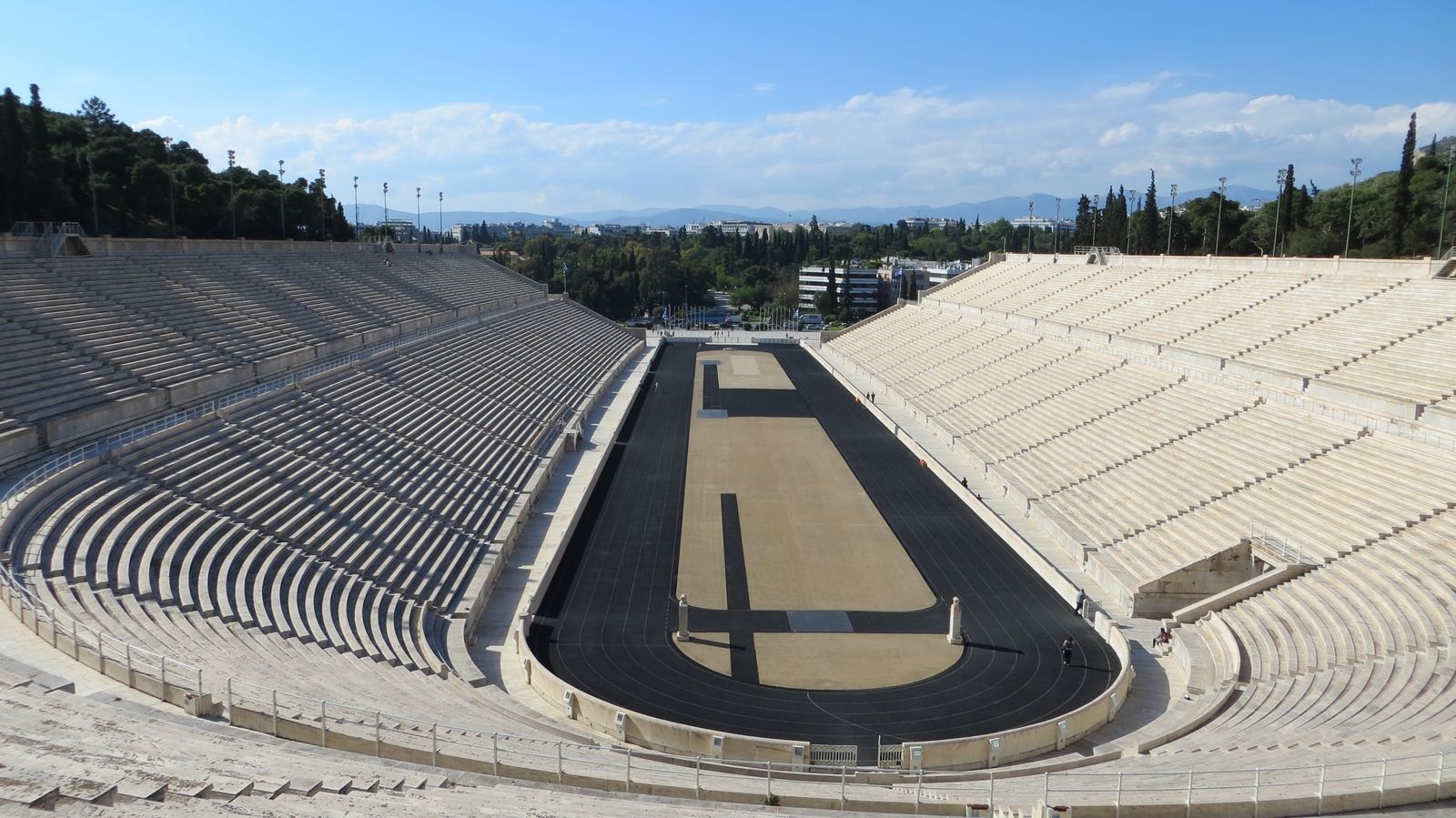 Panathenaic Stadium
Greece
Panathenaic Stadium
Greece
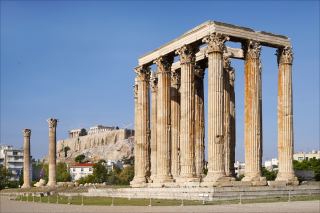 Temple of Olympian Zeus
Greece
Temple of Olympian Zeus
Greece
 Zappeion Hall
Greece
Zappeion Hall
Greece
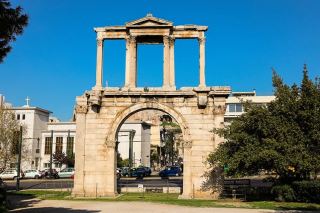 Hadrian’s Arch
Greece
Hadrian’s Arch
Greece
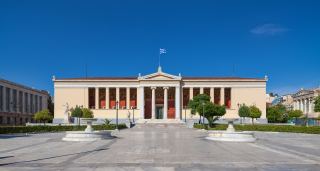 University of Athens
Greece
University of Athens
Greece
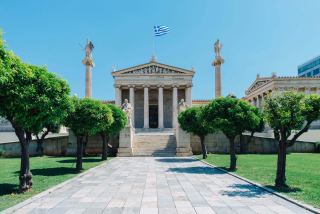 Academy of Athens
Greece
Academy of Athens
Greece
 National Library of Greece
Greece
National Library of Greece
Greece
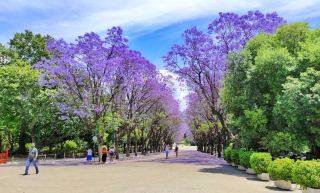 National Garden
Greece
National Garden
Greece
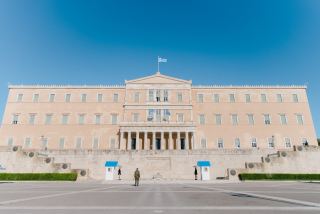 Hellenic Parliament
Greece
Hellenic Parliament
Greece
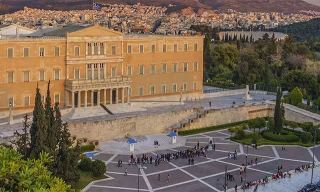 Constitution Square
Greece
Constitution Square
Greece
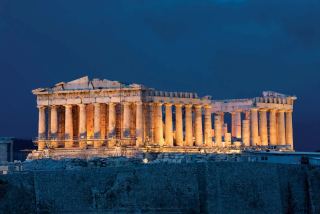 Acropolis of Athens
Greece
Acropolis of Athens
Greece
 Ferry to Santorini
Greece
Ferry to Santorini
Greece
 Nea Kameni
Greece
Nea Kameni
Greece
 Hot Springs of Santorini
Greece
Hot Springs of Santorini
Greece