
Acropolis of Athens
Acropolis of Athens in Greece Tours
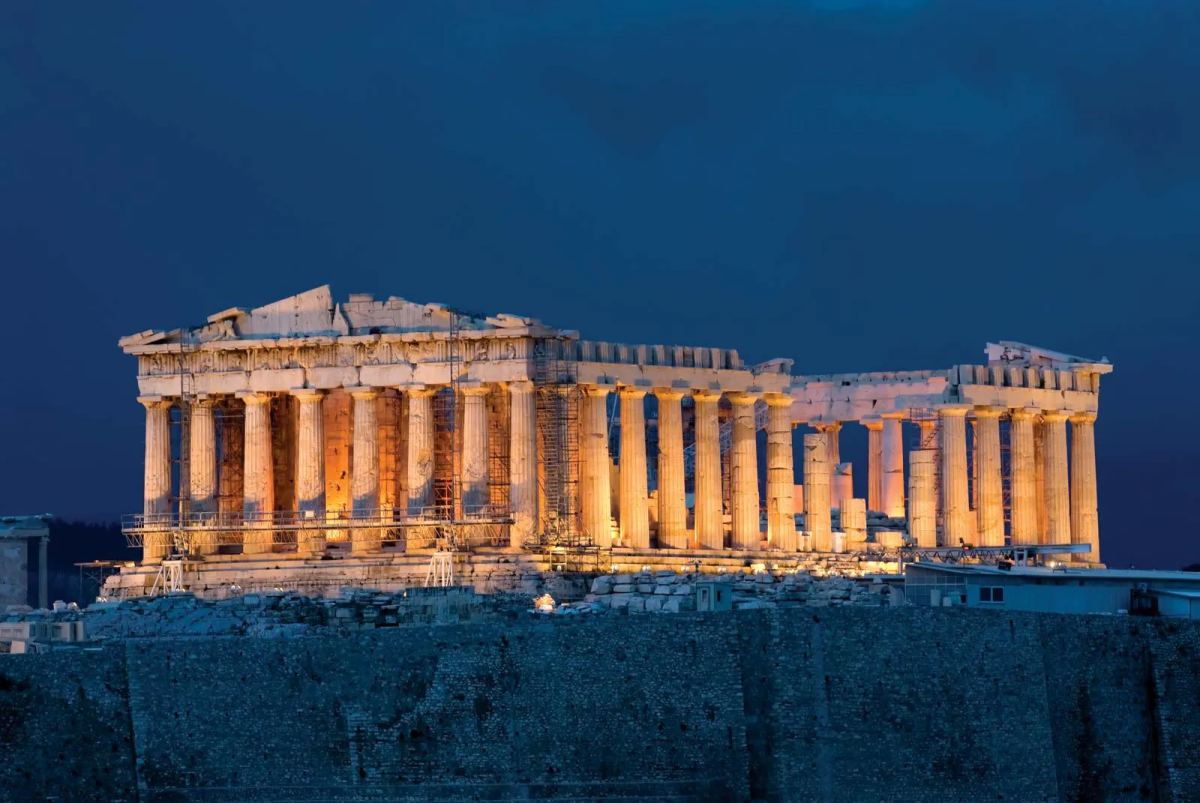
The Acropolis of Athens is one of the most important archaeological sites in Greece and a world-renowned symbol of ancient Greek civilization. Rising above the historic city on a rocky hill, the Acropolis was an important religious and civic centre of ancient Athens and is closely associated with the city’s Golden Age during the 5th century BC.
The site is home to several remarkable ancient monuments, most famously the Parthenon, dedicated to the goddess Athena. Other significant monuments include the Erechtheion, with its famous Caryatid Porch, the Propylaia, which forms the monumental entrance to the Acropolis, and the Temple of Athena Nike.
Today, the Acropolis offers visitors the opportunity to explore extraordinary ancient architecture while enjoying panoramic views across Athens. Together with its monuments and surrounding archaeological landscape, it represents an enduring legacy of Greek history, art and architecture.
What is included & excluded
- Entry requires a valid ticket, with admission taking place according to the date and, where applicable, the selected time slot.
- Visitors must present their ticket at the entrance and follow the instructions of security and site staff.
- Tickets are generally valid for one entry; once visitors leave the archaeological site, the ticket cannot be reused.
- Visitors must not touch, climb on or damage archaeological monuments and must remain within designated visitor areas.
- Dangerous, sharp, flammable or potentially harmful objects may be prohibited, and security checks may be carried out.
- Visitors must comply with the instructions of site staff and security personnel.
- Opening hours and access arrangements may change because of weather, maintenance, archaeological work or other operational circumstances.
- Visitors should wear suitable footwear, as the archaeological site includes uneven and sometimes slippery surfaces.
- For customised group visits to the Acropolis, the official ticketing system provides specific rules regarding group size, date and time changes.
Cancellation policy
Terms & conditions
- Tickets are valid for one person and for the date/time period shown on the ticket. Where timed entry applies, visitors must enter within their selected time slot.
- Tickets are generally non-refundable and cannot be cancelled or have their details changed after purchase, subject to the limited exceptions specified in the official terms.
- For standard visitor bookings, the date and time can be changed up to 14 days before the scheduled visit, subject to availability.
- After entering the archaeological site, no refund is provided for any reason.
- If the Acropolis is not accessible because of force majeure, the ticket may be extended or its value refunded. Additional compensation for other expenses is not provided.
- Tickets are valid for one entry only. Once a visitor leaves the site, the ticket cannot be reused for re-entry.
- Tickets must be purchased through an official sales channel. Counterfeit, duplicated or unofficial tickets will not be accepted.
- Ticket resale, exchange and unauthorised commercial use are prohibited. Tickets purchased for unauthorised commercial, advertising or similar activities may be cancelled.
- Visitors may be refused entry for security reasons, including if they are under the influence of alcohol/drugs or carrying dangerous, sharp, flammable or potentially weapon-like objects. Personal belongings may be subject to security inspection.
- Visitors must keep their ticket during the visit and comply with instructions from security personnel and site staff.
- Visitors claiming reduced or free admission must carry the required identification/supporting documents. If eligibility cannot be proven, entry may be refused without a ticket refund.
- The official ticketing system operates with summer and winter visiting periods and designated free-admission days under the Ministry of Culture's rules.
- For organised/adjusted group visits to the Acropolis, the official terms specify special booking conditions. Such group tickets are issued in the group leader's name and changes to the visit date/time or group-member details are permitted up to 14 days before the visit, subject to availability.
- Visitors must comply with the rules of operation of the archaeological site; entering the site constitutes acceptance of the applicable terms.
Frequently Asked Questions (FAQs)
01Do Indians need a visa for Greece?
02What is the best time to visit Greece?
03How many days are enough for a Greece tour?
04Is Indian vegetarian food available in Greece?
05What currency is used in Greece?
06Is Greece expensive for Indian travellers?
07What is the time difference between India and Greece?
08What are the best cities to visit in Greece?
09What should Indian travellers pack?
10Is Greece suitable for Indian families?
Things to do in Greece
16 experiences · book the good bits before you land
 Santorini Coastal Cruise
Greece
Santorini Coastal Cruise
Greece
 Mykonos Walking Tour
Greece
Mykonos Walking Tour
Greece
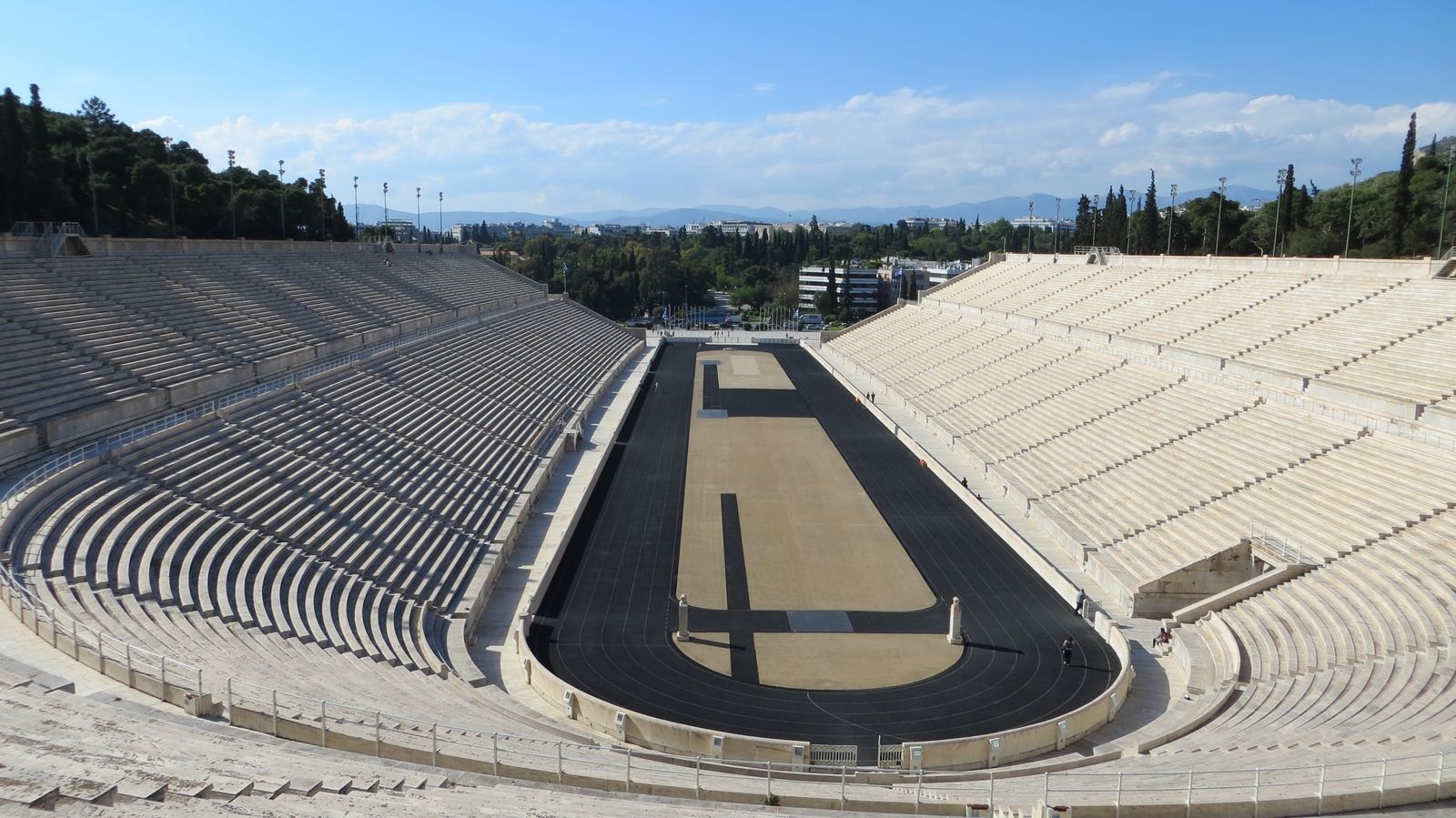 Panathenaic Stadium
Greece
Panathenaic Stadium
Greece
 Temple of Olympian Zeus
Greece
Temple of Olympian Zeus
Greece
 Zappeion Hall
Greece
Zappeion Hall
Greece
 Hadrian’s Arch
Greece
Hadrian’s Arch
Greece
 University of Athens
Greece
University of Athens
Greece
 Academy of Athens
Greece
Academy of Athens
Greece
 National Library of Greece
Greece
National Library of Greece
Greece
 National Garden
Greece
National Garden
Greece
 Hellenic Parliament
Greece
Hellenic Parliament
Greece
 Constitution Square
Greece
Constitution Square
Greece
 Ferry to Santorini
Greece
Ferry to Santorini
Greece
 Nea Kameni
Greece
Nea Kameni
Greece
 Hot Springs of Santorini
Greece
Hot Springs of Santorini
Greece
 Thirassia Island
Greece
Thirassia Island
Greece