
Hadrian’s Arch
Hadrian’s Arch in Greece Tours
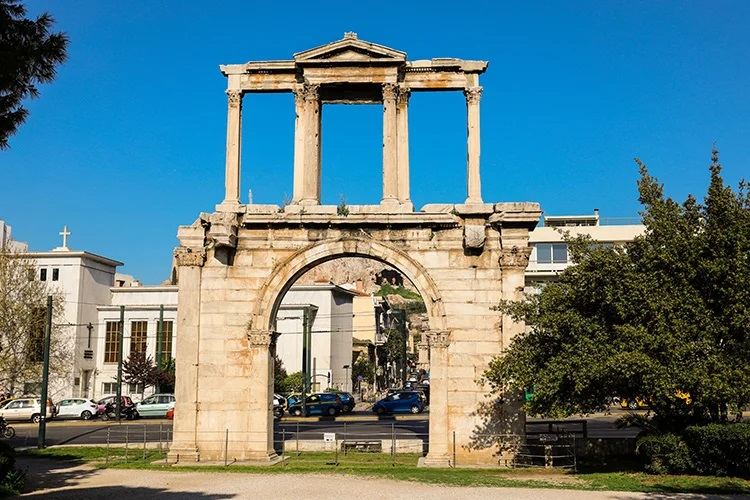
Hadrian’s Arch is a monumental Roman gateway in Athens, built in 131–132 AD in honour of the Roman Emperor Hadrian. Located near the Temple of Olympian Zeus, the arch marked the boundary between the ancient Greek city and the Roman-era expansion of Athens.
The monument is constructed from Pentelic marble, the same high-quality marble used for several important monuments of Athens. Its design combines a lower arched opening with an upper structure featuring Corinthian columns and pilasters, reflecting the architectural traditions of the Roman period.
Hadrian’s Arch is particularly notable for the inscriptions carved on its two façades. One side refers to “the old city of Theseus,” while the other identifies Hadrian’s Athens, symbolically highlighting the connection between the ancient Greek city and the new Roman development.
Today, the arch stands as an important reminder of Athens’ transformation during the Roman period and the lasting influence of Emperor Hadrian on the city.
What is included & excluded
- Hadrian’s Arch is an outdoor historic monument and can generally be viewed from the surrounding public area.
- There is no separate entrance ticket required simply to view the arch from the public area.
- Visitors should not climb, touch or cause any damage to the monument.
- Visitors should follow any safety barriers, signs and instructions issued by archaeological authorities.
- Photography for personal use is generally permitted from public areas.
- Visitors should take care around the surrounding roads and traffic.
- Access to the immediate area may occasionally be affected by maintenance, conservation work, public events or safety restrictions.
Cancellation policy
Terms & conditions
- Admission rules and any applicable ticket charges are governed by the Hellenic Ministry of Culture for State-owned monuments and archaeological sites.
- Visitors must follow the instructions of archaeological-site staff and security personnel and comply with regulations intended to protect the monument.
- Opening hours may vary according to the official archaeological-site schedule, and temporary changes or closures may be announced by the Ministry of Culture.
- Free-admission days for State-managed archaeological sites and monuments include 6 March, 18 April, 18 May, the last weekend of September, 28 October, and the first and third Sundays from 1 November to 31 March.
- Certain categories of visitors are entitled to free admission, subject to the required identification or supporting documents. These include, among others, children up to 18 from non-EU countries and EU citizens up to 25.
- Reduced admission is available to eligible categories under the Ministry's applicable rules, generally subject to presentation of valid proof.
- Visitors should not touch, climb on, lean against or otherwise interfere with the monument. Activities that could damage the archaeological remains are prohibited.
- Commercial photography, filming or other professional activities involving the monument may require prior authorisation from the competent Greek authorities.
- Visitors should not leave litter or otherwise disturb the archaeological surroundings.
- Access may be restricted or modified for conservation, safety, archaeological work, official events or other operational reasons.
Frequently Asked Questions (FAQs)
01Do Indians need a visa for Greece?
02What is the best time to visit Greece?
03How many days are enough for a Greece tour?
04Is Indian vegetarian food available in Greece?
05What currency is used in Greece?
06Is Greece expensive for Indian travellers?
07What is the time difference between India and Greece?
08What are the best cities to visit in Greece?
09What should Indian travellers pack?
10Is Greece suitable for Indian families?
Things to do in Greece
16 experiences · book the good bits before you land
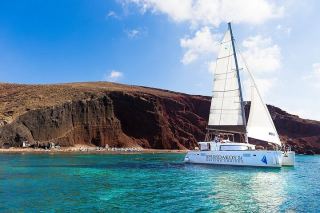 Santorini Coastal Cruise
Greece
Santorini Coastal Cruise
Greece
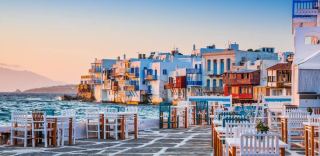 Mykonos Walking Tour
Greece
Mykonos Walking Tour
Greece
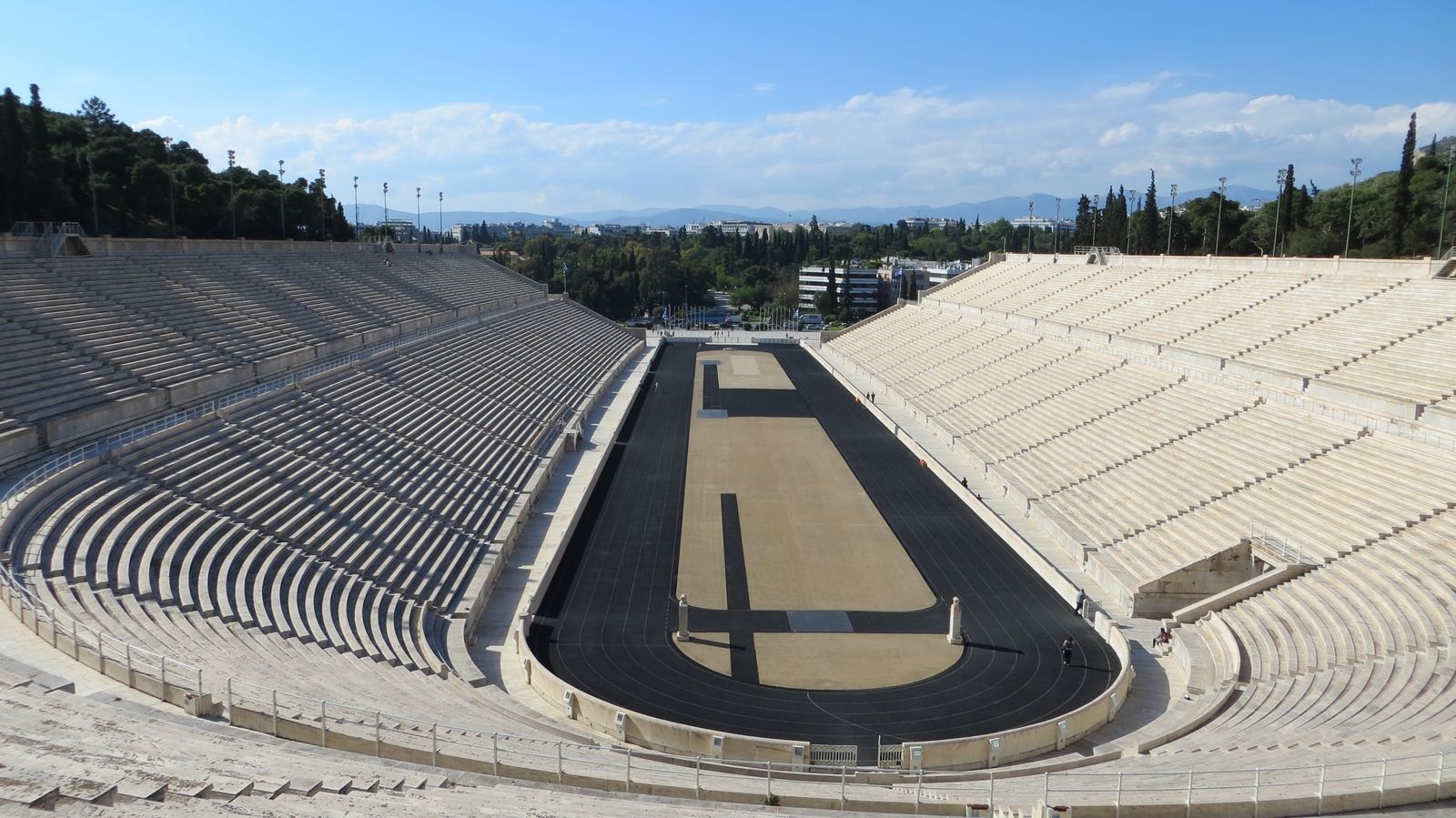 Panathenaic Stadium
Greece
Panathenaic Stadium
Greece
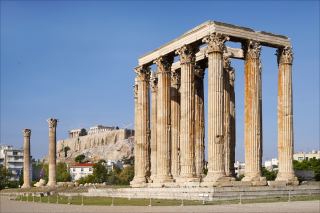 Temple of Olympian Zeus
Greece
Temple of Olympian Zeus
Greece
 Zappeion Hall
Greece
Zappeion Hall
Greece
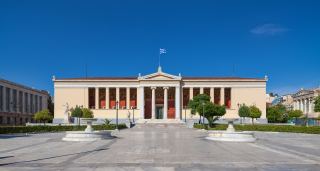 University of Athens
Greece
University of Athens
Greece
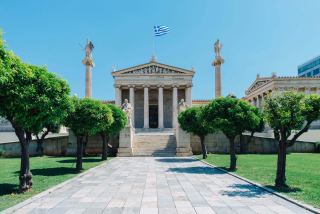 Academy of Athens
Greece
Academy of Athens
Greece
 National Library of Greece
Greece
National Library of Greece
Greece
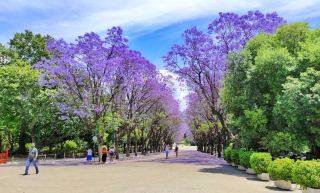 National Garden
Greece
National Garden
Greece
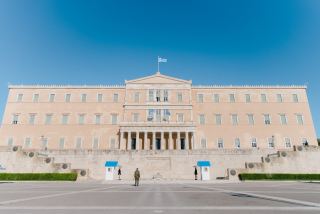 Hellenic Parliament
Greece
Hellenic Parliament
Greece
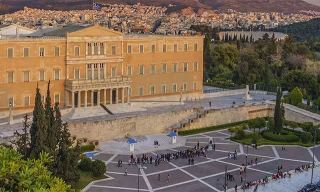 Constitution Square
Greece
Constitution Square
Greece
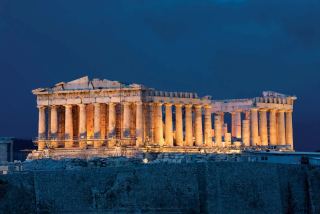 Acropolis of Athens
Greece
Acropolis of Athens
Greece
 Ferry to Santorini
Greece
Ferry to Santorini
Greece
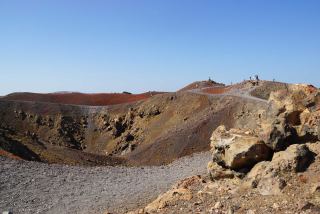 Nea Kameni
Greece
Nea Kameni
Greece
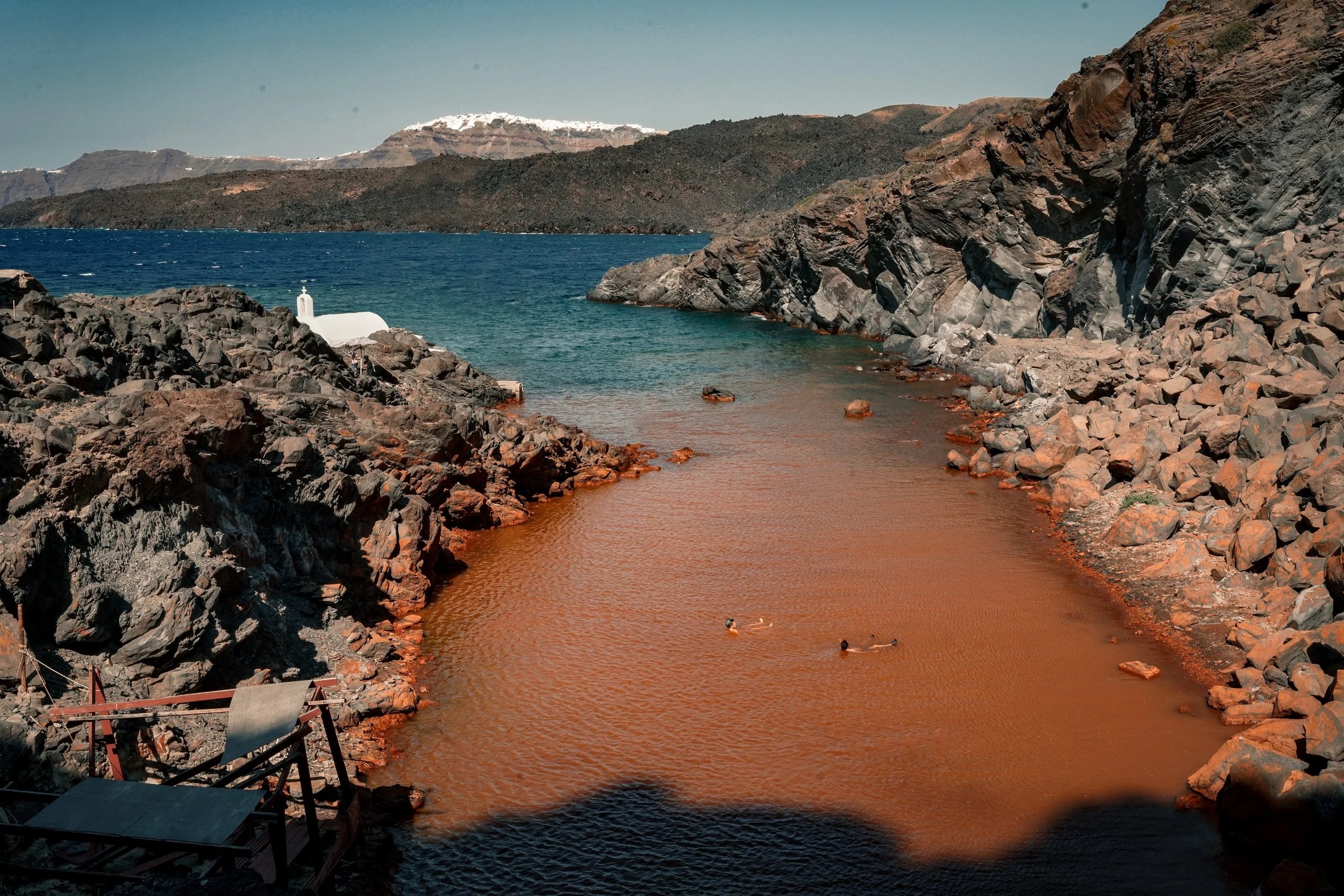 Hot Springs of Santorini
Greece
Hot Springs of Santorini
Greece
 Thirassia Island
Greece
Thirassia Island
Greece