
Panathenaic Stadium
Panathenaic Stadium in Greece Tours
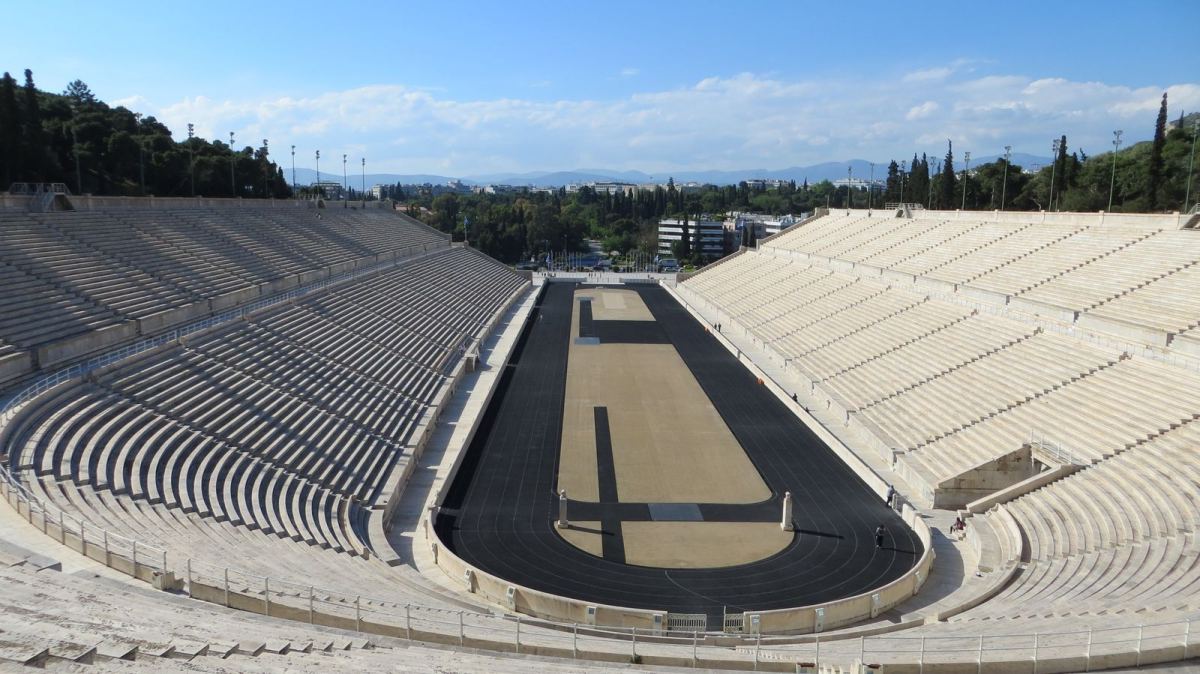
The Panathenaic Stadium, also known as Kallimarmaro, is one of Athens’ most important historic landmarks and a unique monument connecting ancient Greek sport with the modern Olympic Games. Built around 330 BC by the Athenian statesman Lycurgus, the stadium originally hosted athletic competitions during the Great Panathenaia, one of ancient Athens’ most important festivals.
During the Roman period, the stadium was rebuilt and covered in white Pentelic marble under the patronage of Herodes Atticus between 140 and 143 AD, taking on the distinctive horseshoe shape seen today. After centuries of abandonment, systematic excavations began in the 19th century, followed by a major marble reconstruction for the revival of the first modern Olympic Games in Athens in 1896.
Today, visitors can explore the marble stands and track, walk through the vaulted passage, visit the permanent Olympic exhibition and experience the setting where the modern Olympic movement began. The stadium also hosted archery during the 2004 Athens Olympic Games and the finish of the men's and women's marathon races.
What is included & excluded
- The stadium is generally open daily; from March to October, visiting hours are 08:00–19:00, while from November to February they are 08:00–17:00.
- Admission tickets include access to the Stadium Museum and an automatic audio guide available in 11 languages.
- Smoking, food and beverages other than water are not permitted inside the stadium.
- Pets are not permitted; certified service animals, such as guide dogs, are allowed.
- Bicycles, roller skates and other wheeled vehicles are not permitted inside. Baby carriages are allowed.
- Amateur photography and filming are permitted. Commercial exploitation or publication of images requires the stadium's approval, and the use of Olympic symbols or related references for commercial purposes is prohibited.
- Visitors should exercise caution on the steps, particularly during wet or winter conditions.
- The Track and Field and Gallery areas are accessible to visitors with mobility difficulties; the Museum is accessible only by stairs.
- Opening hours or access to specific areas can change because of events, maintenance or emergency measures.
Cancellation policy
Terms & conditions
- Tickets are valid only for the date of issue. They are single-use; once you leave the Stadium, the same ticket cannot be used for re-entry.
- Tickets cannot be cancelled or refunded after purchase.
- Tickets are purchased at the Panathenaic Stadium ticket desk. Travel agencies may make payment by electronic deposit.
- The entrance ticket includes access to the Stadium and its Museum, including the permanent exhibition.
- Smoking, food and beverages other than water are prohibited inside the Stadium.
- Pets are not permitted inside the Stadium or Museum. Certified service animals, such as guide dogs, are allowed.
- Bicycles, roller skates and other wheeled vehicles are not permitted inside the Stadium. Baby carriages are permitted.
- Amateur photography and filming are permitted. Professional photography for publication requires approval, while commercial exploitation of photographs is prohibited.
- Use of Olympic symbols or references for commercial purposes is prohibited.
- Visitors must follow the Stadium's rules and instructions intended to protect this historic archaeological monument.
- Opening hours or access to particular areas may change because of events, maintenance, emergency measures or other operational requirements. Changes are announced on the official website.
- The Track and Field area and Gallery are accessible to visitors with mobility difficulties, while the Museum is accessible only by stairs and has no lift.
- For organized groups, advance booking is recommended. For groups using the audio guide, capacity is limited to 100 people per 50 minutes.
Frequently Asked Questions (FAQs)
01Do Indians need a visa for Greece?
02What is the best time to visit Greece?
03How many days are enough for a Greece tour?
04Is Indian vegetarian food available in Greece?
05What currency is used in Greece?
06Is Greece expensive for Indian travellers?
07What is the time difference between India and Greece?
08What are the best cities to visit in Greece?
09What should Indian travellers pack?
10Is Greece suitable for Indian families?
Things to do in Greece
16 experiences · book the good bits before you land
 Santorini Coastal Cruise
Greece
Santorini Coastal Cruise
Greece
 Mykonos Walking Tour
Greece
Mykonos Walking Tour
Greece
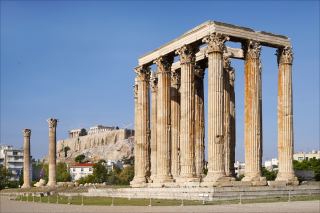 Temple of Olympian Zeus
Greece
Temple of Olympian Zeus
Greece
 Zappeion Hall
Greece
Zappeion Hall
Greece
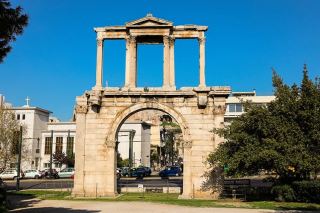 Hadrian’s Arch
Greece
Hadrian’s Arch
Greece
 University of Athens
Greece
University of Athens
Greece
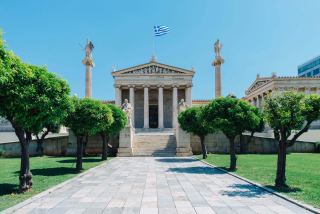 Academy of Athens
Greece
Academy of Athens
Greece
 National Library of Greece
Greece
National Library of Greece
Greece
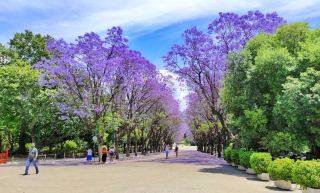 National Garden
Greece
National Garden
Greece
 Hellenic Parliament
Greece
Hellenic Parliament
Greece
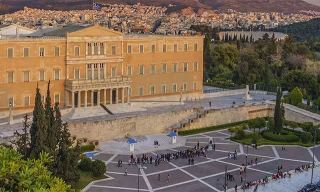 Constitution Square
Greece
Constitution Square
Greece
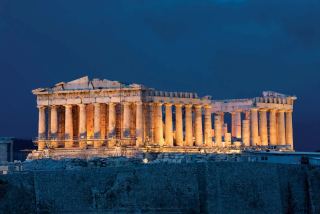 Acropolis of Athens
Greece
Acropolis of Athens
Greece
 Ferry to Santorini
Greece
Ferry to Santorini
Greece
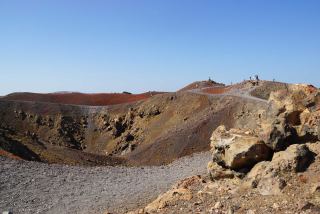 Nea Kameni
Greece
Nea Kameni
Greece
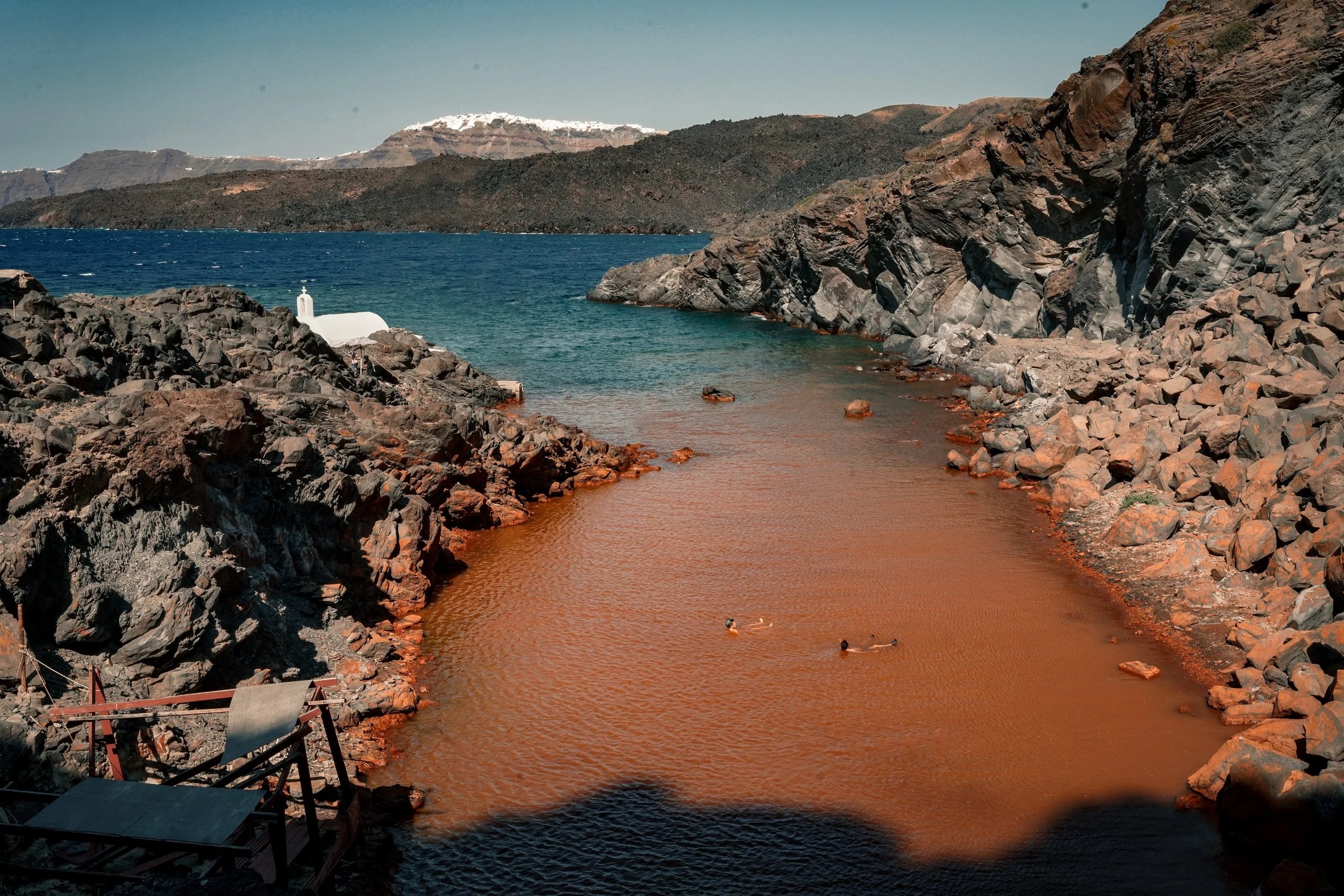 Hot Springs of Santorini
Greece
Hot Springs of Santorini
Greece
 Thirassia Island
Greece
Thirassia Island
Greece