
Uluru-Kata Tjuta National Park
Uluru-Kata Tjuta National Park in Australia Tours
The landscape is deeply significant to the Anangu, the Traditional Owners of the area, whose cultural traditions and spiritual connections to the land have continued for thousands of years. Visitors can learn about Aboriginal culture, traditional stories and the natural environment through designated walks, cultural experiences and visitor facilities.
Uluru is particularly spectacular at sunrise and sunset, when changing light transforms its sandstone surface into rich shades of red, orange and purple. Around Kata Tjuta, visitors can explore scenic walking trails and admire the dramatic Valley of the Winds.
Recognised as a UNESCO World Heritage Site for both its natural and cultural values, Uluru-Kata Tjuta National Park offers a remarkable combination of ancient landscapes, Aboriginal heritage and Australian Outback scenery.

What is included & excluded
- Entry: Uluru-Kata Tjuta National Park is a protected Aboriginal cultural landscape and requires a valid park entry pass for visitors.
- Booking: A park pass should be arranged before visiting. Guided tours, cultural experiences, and other activities may require separate advance reservations.
- Opening Hours: Park opening hours vary according to the season and sunrise/sunset times. Visitors should check the current operating hours before travelling.
- Duration: A full day or longer is recommended to explore Uluru, Kata Tjuta, cultural sites, viewpoints, and walking trails.
- Photography: Photography is generally permitted in designated areas, but photography restrictions apply at certain culturally sensitive locations. Visitors must follow all signs and local guidance.
- Climbing Uluru: Climbing Uluru is permanently prohibited. Visitors should respect the wishes of the Anangu traditional owners and use designated walking trails and viewing areas.
- Walking Trails: Visitors should remain on designated tracks and follow safety instructions, particularly in remote and exposed areas.
- Accessibility: Some visitor facilities and selected walking areas are accessible, but terrain varies considerably and certain trails may involve uneven ground, sand, rocks, or steps.
- Safety: Visitors should carry sufficient water, wear suitable footwear, use sun protection, and avoid strenuous walking during extreme heat.
- Weather Conditions: Walking tracks and park access may be temporarily restricted because of extreme heat, heavy rain, storms, flooding, or other safety conditions.
- Wildlife & Environment: Visitors must not feed or disturb wildlife, remove rocks or plants, litter, or otherwise damage the natural environment.
- Cultural Respect: Visitors should respect the Anangu people's cultural traditions and sacred places and follow all cultural restrictions within the park.
- Cancellation/Refund: Park-pass cancellation and refund conditions are subject to the official park pass terms. Separate tours and activities follow the respective operator's conditions.
- Changes to Access: Individual walking tracks, viewing areas, or cultural sites may be temporarily closed for weather, conservation, cultural reasons, maintenance, or safety.
- Important: Uluru-Kata Tjuta National Park is a World Heritage-listed cultural and natural landscape. Visitors should check current park alerts, access conditions, and cultural guidelines before their visit.
Cancellation policy
Terms & conditions
- Entry requires a valid park pass, unless an applicable exemption or authorised arrangement applies.
- Visitors must follow the instructions of park rangers, Traditional Owners, guides and authorised personnel.
- Visitors must remain on designated roads, walking tracks, viewing areas and approved visitor routes.
- Climbing Uluru is permanently prohibited and visitors must not attempt to climb the rock.
- Visitors must respect Anangu cultural protocols and sacred areas and must not enter restricted locations.
- Visitors must not touch, damage, remove or interfere with rocks, plants, wildlife, cultural objects or other natural and heritage features.
- Certain areas may have photography restrictions, particularly culturally sensitive locations.
- Commercial photography, filming or professional photography may require appropriate permission.
- Visitors must not feed, chase, touch or deliberately disturb wildlife.
- Littering, vandalism and pollution are prohibited.
- Visitors should carry adequate water, sun protection and suitable footwear, particularly when undertaking walks.
- Visitors should take precautions against extreme heat, dehydration, strong sunlight and changing weather conditions.
- Children must remain under the supervision of an accompanying adult.
- Visitors must comply with fire restrictions, emergency instructions and park closure notices.
- Walking tracks, roads, viewpoints or other areas may be temporarily closed because of extreme weather, heat, storms, maintenance, cultural requirements or safety concerns.
- Some walks may have specific opening and closing times or temperature-related restrictions.
- Visitors are responsible for their personal belongings and safety.
- Guided tours, transfers, accommodation and other activities within the region may have separate booking and cancellation conditions.
- Cancellation and refund conditions depend on the specific tour, activity, accommodation or transport service booked.
- If Uluru-Kata Tjuta National Park is included in an organised Central Australia tour, the tour operator's cancellation and refund policy will apply.
- If a tour or activity is cancelled or modified because of weather, park closures, cultural restrictions, road conditions or safety requirements, refund or alternative arrangements will be handled according to the applicable operator's terms.
- Late arrival or failure to join a booked tour or activity may result in loss of the booking without refund, subject to the provider's conditions.
Frequently Asked Questions (FAQs)
01What is the best time to visit Australia?
02What is the currency used in Australia?
03What are Australia's top tourist attractions?
04How many days are enough to explore Australia?
05Do Indians need a visa to visit Australia?
06Can I find Indian food in Australia?
07What SIM card should I buy in Australia?
08What is the time difference between India and Australia?
09How long is the flight from India to Australia?
10Is travel insurance mandatory?
Things to do in Australia
16 experiences · book the good bits before you land
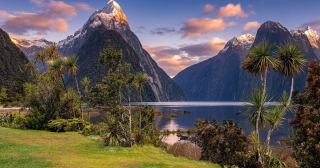 Fiordland National Park
Australia
Fiordland National Park
Australia
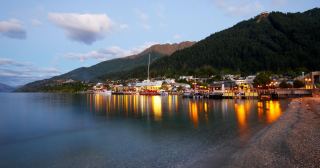 Lake Wakatipu
Australia
Lake Wakatipu
Australia
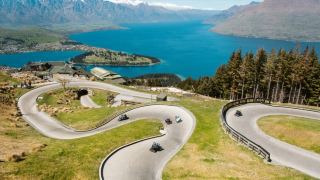 Luge Ride
Australia
Luge Ride
Australia
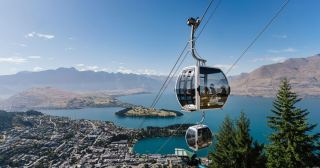 Skyline Gondola
Australia
Skyline Gondola
Australia
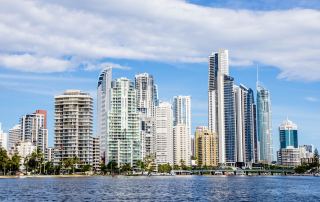 Surfers Paradise
Australia
Surfers Paradise
Australia
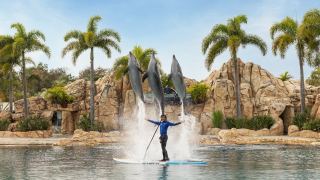 Sea World
Australia
Sea World
Australia
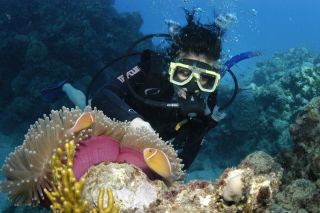 Snorkelling Experience
Australia
Snorkelling Experience
Australia
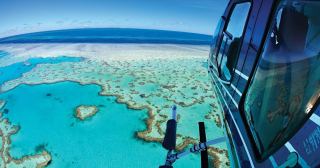 Heart Reef Helicopter Flight
Australia
Heart Reef Helicopter Flight
Australia
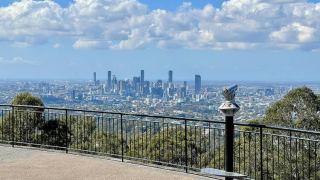 Mt Coot-tha Lookout
Australia
Mt Coot-tha Lookout
Australia
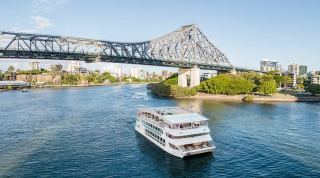 Brisbane River Cruise
Australia
Brisbane River Cruise
Australia
 Queen Street Mall
Australia
Queen Street Mall
Australia
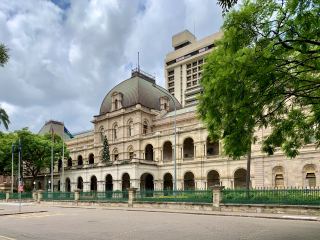 Parliament House
Australia
Parliament House
Australia
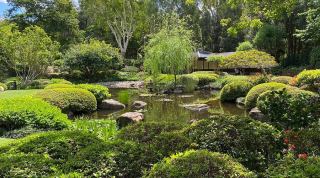 Brisbane City Botanic Gardens
Australia
Brisbane City Botanic Gardens
Australia
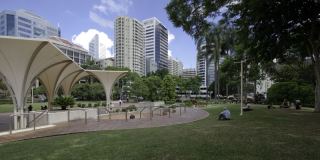 Cathedral Square
Australia
Cathedral Square
Australia
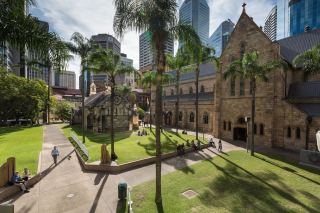 St. Stephen’s Cathedral
Australia
St. Stephen’s Cathedral
Australia
 Brisbane City Tour
Australia
Brisbane City Tour
Australia