
Italy Tours
Arch of Constantine
10 Sep 2026
Adults 01 | Children 00
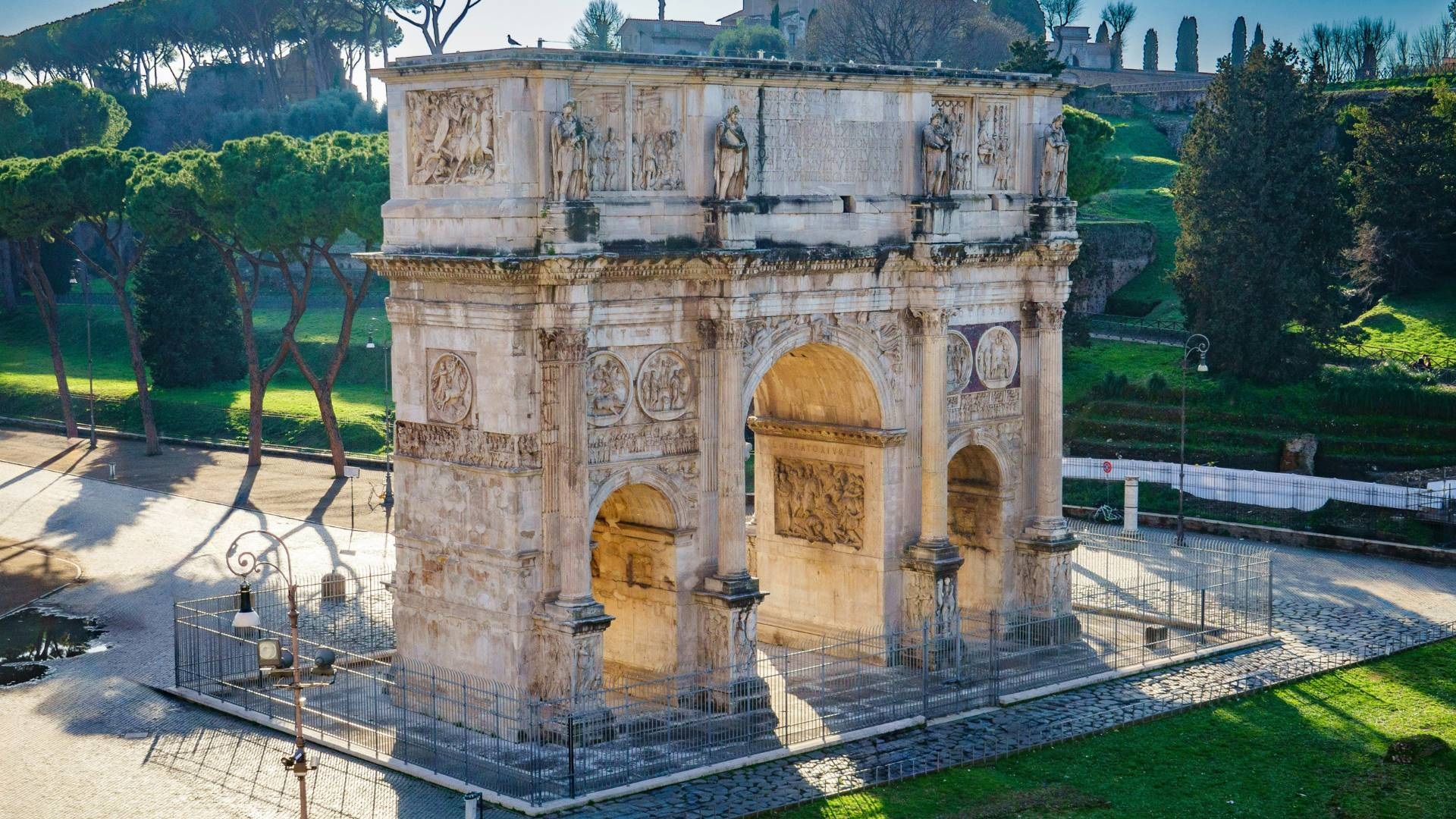
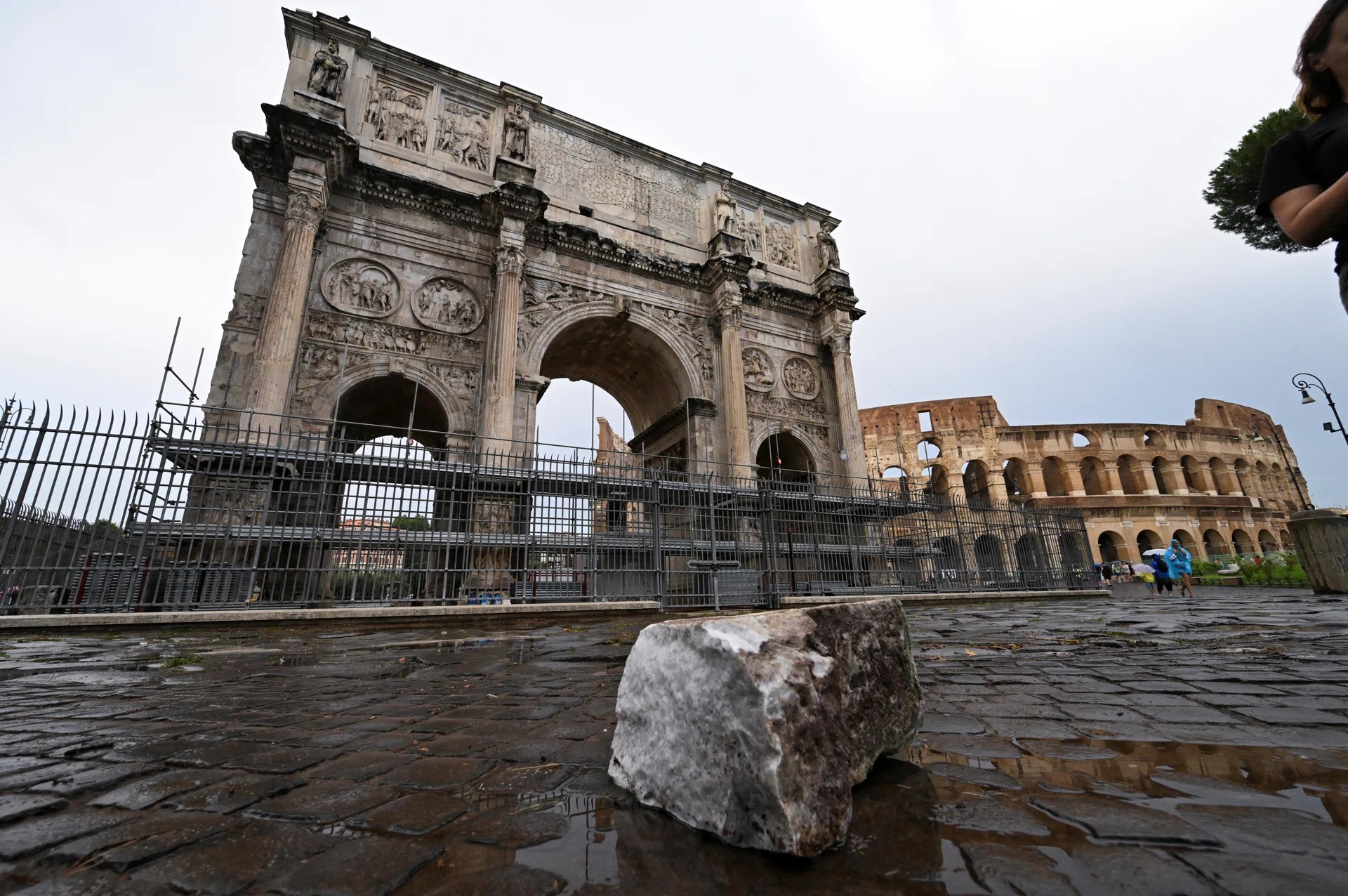
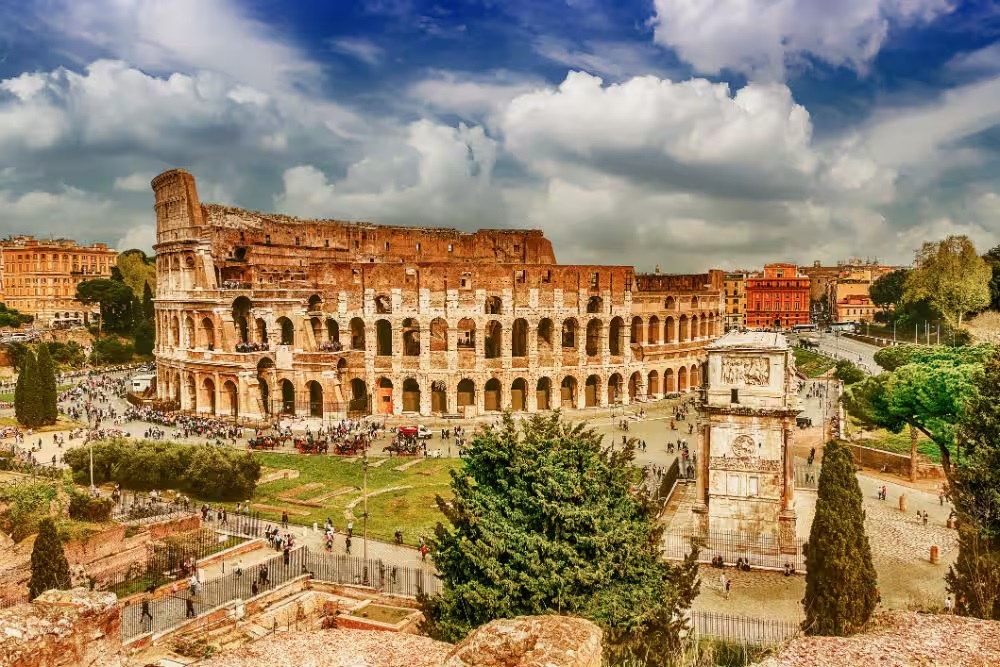
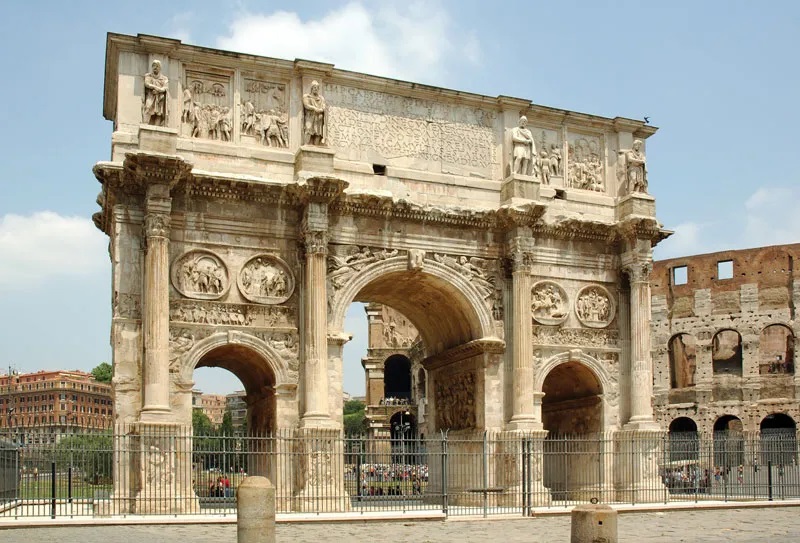
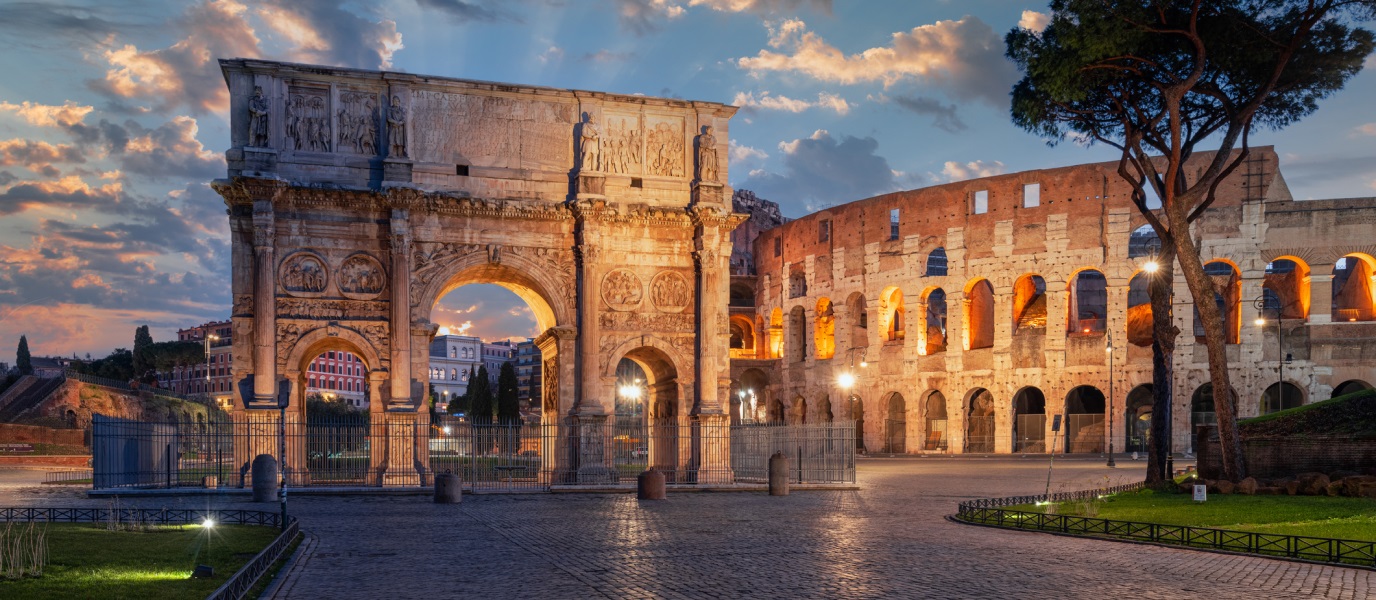
The Arch of Constantine is one of Rome’s most remarkable ancient monuments and the largest surviving honorary arch in the city. Located along the historic route of Roman triumphal processions between the Circus Maximus and the Arch of Titus, it was dedicated in 315 AD by the Roman Senate to celebrate Emperor Constantine’s victory over Maxentius at the Battle of the Milvian Bridge in 312 AD.
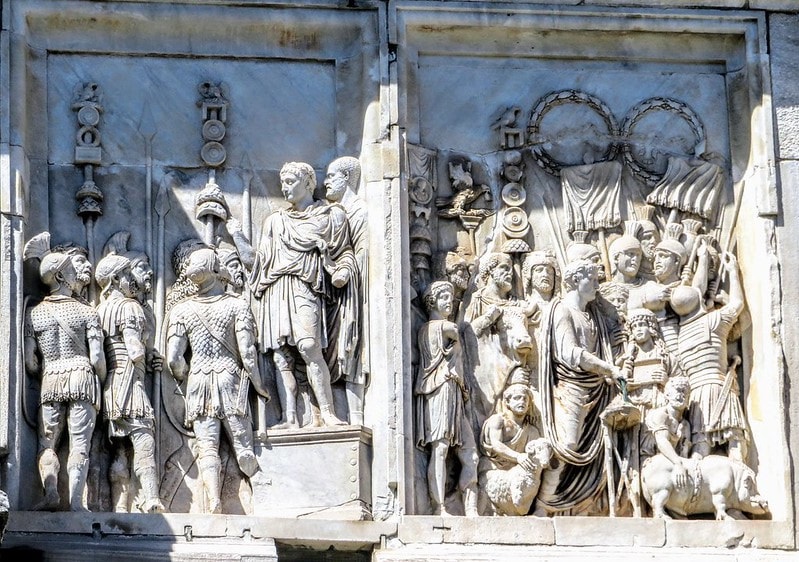
The monument is richly decorated with marble reliefs, many of which were reused from earlier imperial monuments dating to the reigns of Trajan, Hadrian and Marcus Aurelius. These sculptures were incorporated into a unified decorative programme designed during Constantine’s reign, creating a fascinating combination of earlier Roman art and Constantinian imagery. The reliefs portray imperial victories, ceremonies and political themes associated with Constantine’s authority and his vision of restoring the Roman Empire.
Standing beside the Colosseum, the Arch of Constantine offers visitors an impressive glimpse into Rome’s imperial past and remains an important symbol of the city’s ancient history and architectural heritage.
According to the official Parco Archeologico del Colosseo, the Arch of Constantine is the largest surviving honorary arch in Rome. Located along the ancient route of triumphal processions between the Circus Maximus and the Arch of Titus, it was erected to celebrate Emperor Constantine’s victory over Maxentius at the Battle of the Milvian Bridge on 28 October 312 AD. The Senate dedicated the monument on 25 July 315 AD, during Constantine’s decennalia.
The arch is particularly notable for its richly decorated marble reliefs, which combine Constantinian works with sculptures and reliefs reused from monuments of the eras of Trajan, Hadrian and Marcus Aurelius. The faces of earlier emperors depicted on the reliefs were re-carved in the likeness of Constantine, reinforcing the monument’s political and symbolic message.
The Arch of Constantine is located in Piazza del Colosseo, near the Colosseum, and has free access.